
A Comprehensive Guide to IV Insertions and Replacements


Understanding IV Insertions
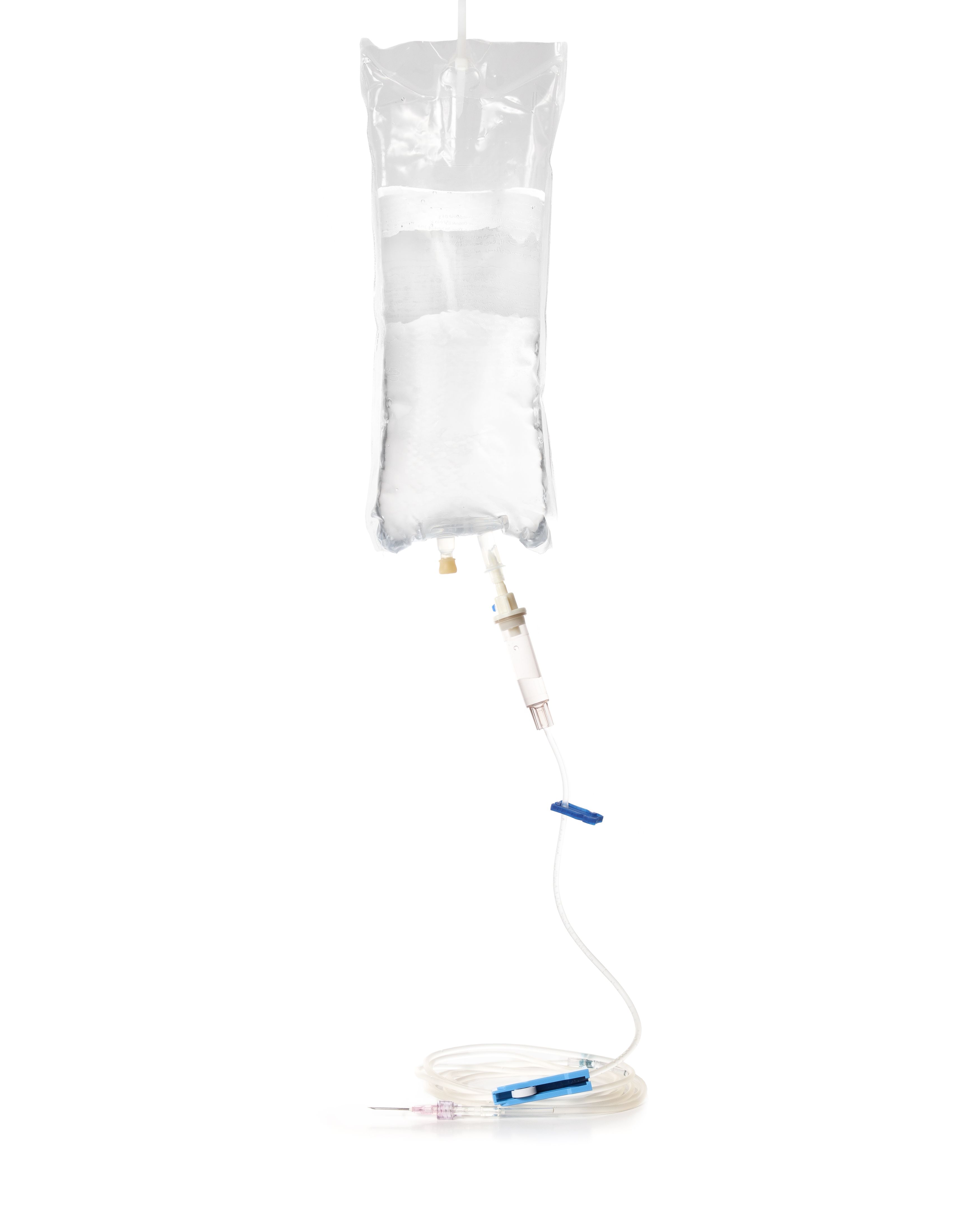
Intravenous (IV) insertions are a common medical procedure used to deliver fluids, medications, and nutrients directly into a patient's bloodstream. This technique is essential in many healthcare settings, providing quick and efficient access to the circulatory system.
IV insertions involve the placement of a catheter into a vein, usually in the hand or arm. The process must be performed with precision to avoid complications such as infection or vein damage. Healthcare professionals are trained to identify suitable veins, considering factors like vein size and condition.

Preparing for IV Insertion
Preparation is key to successful IV insertion. The healthcare provider will first ensure that all necessary equipment is available, including sterile gloves, antiseptic wipes, a tourniquet, and the appropriate size catheter. Proper hand hygiene and infection control measures are critical to minimize risks.
The patient should be informed about the procedure and encouraged to relax. A relaxed state can make vein access easier. Applying a warm compress or using gravity by lowering the arm can also help dilate veins, making them more accessible.
Techniques for Successful IV Insertion
Several techniques are employed to ensure successful IV insertion. The "flashback" method involves inserting the needle until a flash of blood is seen in the catheter hub, indicating successful vein entry. At this point, the catheter is advanced, and the needle is withdrawn.

Another important technique is the use of ultrasound guidance. This method is particularly useful for patients with difficult veins, such as those who are dehydrated or have a history of IV drug use. Ultrasound guidance improves accuracy and reduces the need for multiple attempts.
Replacing an IV
IV replacement is necessary when the catheter becomes blocked, the site shows signs of infection, or if the therapy needs to continue beyond the lifespan of the current IV site. Regular monitoring of the IV site is crucial to detect any issues early.
When replacing an IV, the healthcare provider will follow similar steps as the initial insertion, ensuring the new site is free from infection and suitable for catheter placement. The choice of a new site may depend on the patient's condition and vein availability.
Managing Complications
While IV insertions are generally safe, complications can occur. Common issues include phlebitis, infiltration, and infection. Recognizing the signs early, such as redness, swelling, and pain, can prevent more serious complications.
Immediate action should be taken if complications arise. This may involve removing the IV, applying a cold or warm compress, and notifying the healthcare team for further assessment and intervention.
Tips for Patients
Patients can play a role in the success of their IV therapy by staying hydrated, which helps maintain vein health and accessibility. Communicating any discomfort or concerns to the healthcare provider is also important.
Understanding the process and potential complications of IV insertions and replacements can empower patients, making them active participants in their healthcare journey.