
Common Misconceptions About Mobile Phlebotomy Debunked


Understanding Mobile Phlebotomy
Mobile phlebotomy is a convenient service that brings blood collection and other laboratory services directly to patients' homes or workplaces. Despite its growing popularity, there are still several misconceptions surrounding this service.
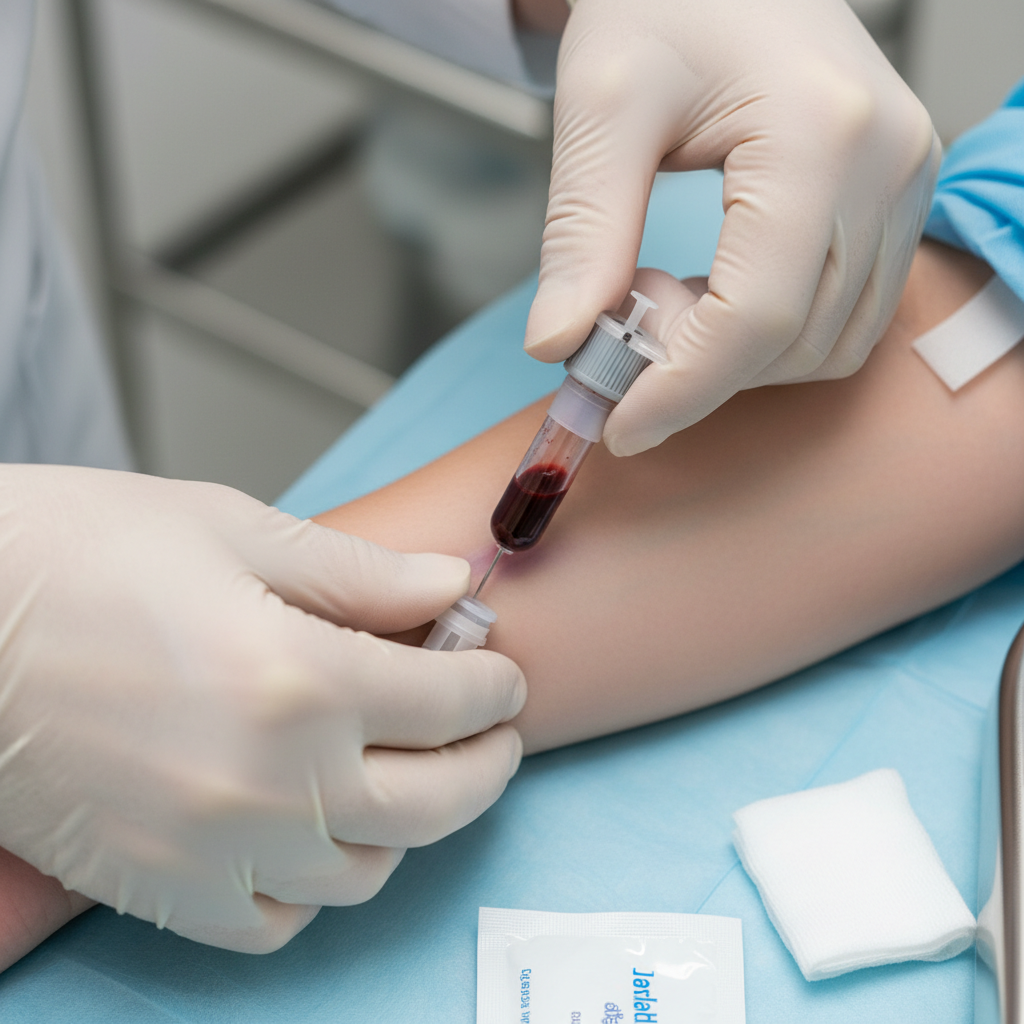
Misconception 1: It's Not as Reliable as Traditional Labs
One common myth is that mobile phlebotomy is less reliable than visiting a traditional lab. In reality, mobile phlebotomists are highly trained professionals who adhere to the same standards and protocols as those in stationary labs. They use the same high-quality equipment and procedures, ensuring that samples are collected, stored, and transported properly.
Misconception 2: It's Only for the Elderly or Disabled
Another misconception is that mobile phlebotomy services are exclusively for the elderly or those with disabilities. While these groups certainly benefit, mobile phlebotomy is ideal for anyone who values convenience, including busy professionals, parents with young children, or those who simply prefer the comfort of their own home.

Misconception 3: It's More Expensive
Many believe that mobile phlebotomy must be more expensive due to the personalized service. However, the cost is often comparable to traditional lab visits, especially when considering the savings in time and travel expenses. Insurance companies are increasingly recognizing the value of these services and may cover them just as they would a traditional lab visit.
Misconception 4: Limited Services Offered
Some people think that mobile phlebotomy offers only basic blood draws. In fact, these services can include a wide range of tests, such as urine analysis, glucose monitoring, and even specialized tests. Mobile phlebotomy companies often collaborate with major laboratories to provide comprehensive testing options.
Misconception 5: Privacy Concerns
Concerns about privacy and data protection can deter people from using mobile phlebotomy. However, these services comply with strict privacy regulations, such as HIPAA in the United States. Patient information is handled with the utmost care, ensuring confidentiality at every step.
Conclusion
Mobile phlebotomy is a convenient, reliable, and versatile option for many people seeking laboratory services. By debunking these misconceptions, more individuals can take advantage of the benefits it offers. Whether for convenience, comfort, or necessity, mobile phlebotomy is reshaping the way we think about healthcare services.