
Common Misconceptions About Specimen Collection


Understanding Specimen Collection
Specimen collection is a crucial part of medical diagnostics, yet it is often surrounded by misunderstandings. These misconceptions can lead to anxiety or improper handling of samples, affecting the accuracy of results. Here, we aim to clear up some common misunderstandings and provide clarity on this essential process.
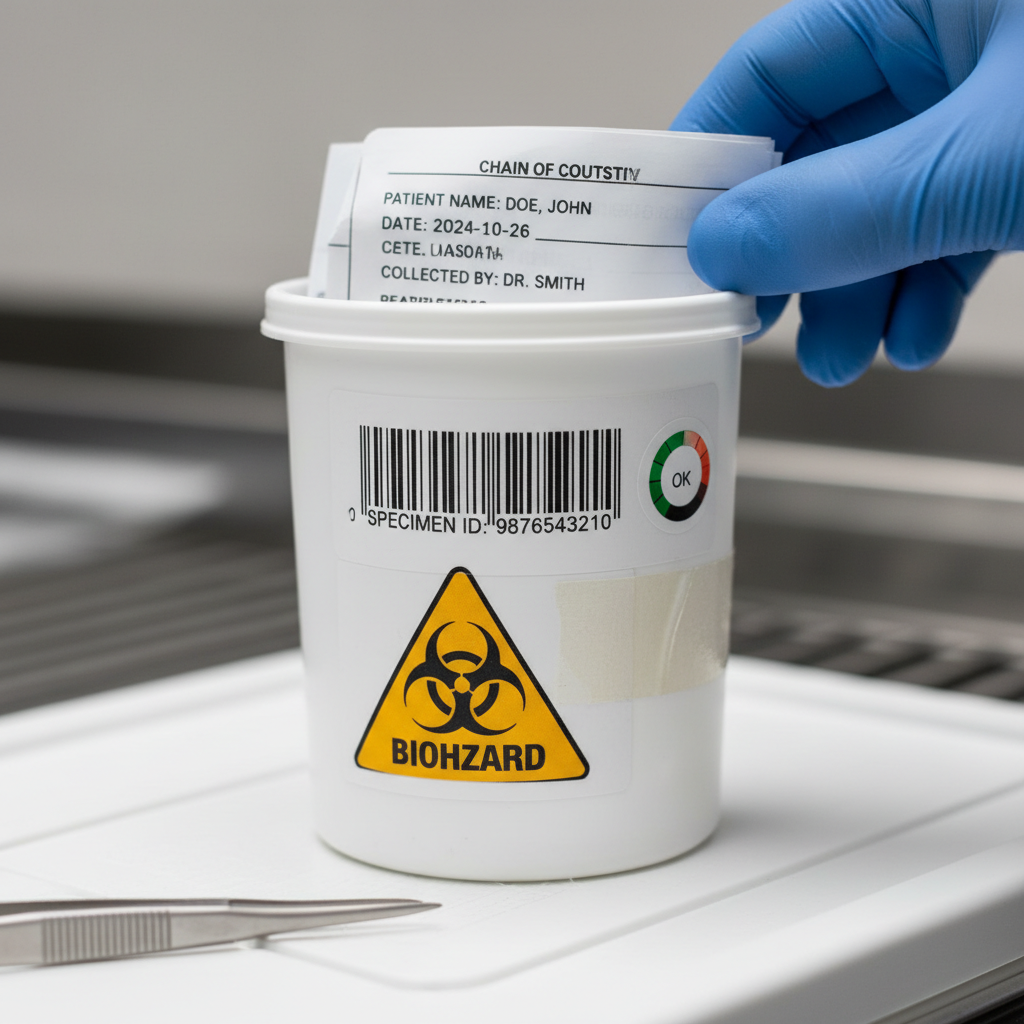
Misconception 1: It's Always Painful
A common fear is that specimen collection, such as blood tests, is painful. In reality, most procedures involve minimal discomfort. Health professionals use fine needles and other tools designed to minimize pain. Proper technique and patient preparation can further reduce any potential discomfort.
Misconception 2: All Specimens Are Handled the Same
Another misconception is that all specimens are treated identically. However, each type requires specific handling to maintain its integrity. For instance, urine samples must be kept at a certain temperature, while blood samples may require specific preservatives. Understanding these requirements helps ensure accurate testing.
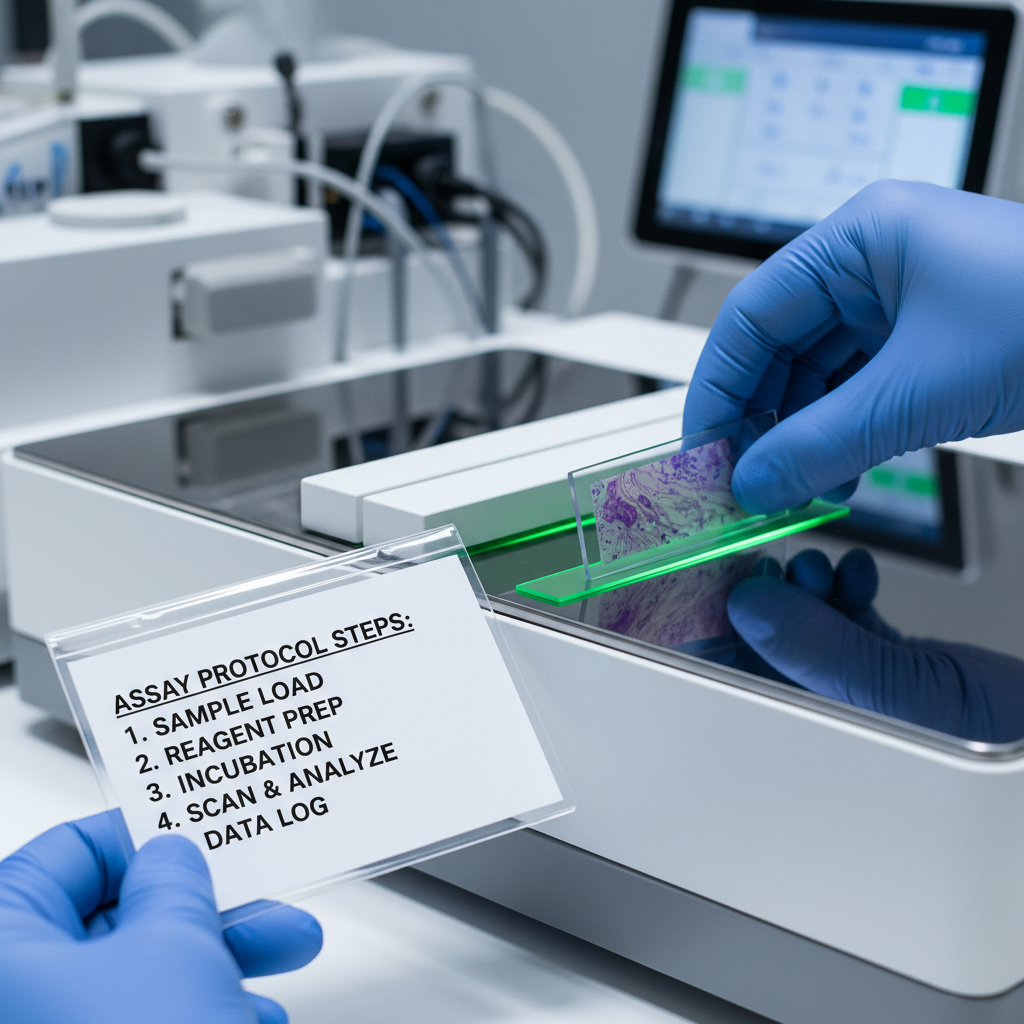
Misconception 3: Results Are Immediate
Many people expect immediate results after specimen collection. While some tests offer rapid results, others require complex analysis and can take days. The timeline depends on the type of test and the laboratory's workload. Patience is key to receiving accurate diagnoses.
Misconception 4: You Can Collect Specimens Anytime
Timing is crucial for specimen collection. Some tests require fasting, while others need to be done at specific times of the day. For example, hormone levels fluctuate, so a morning test might be necessary. Always follow the guidance provided by healthcare professionals to ensure valid results.

Misconception 5: Home Collection Is Not Reliable
With advancements in technology, home specimen collection kits have become reliable and convenient. These kits come with clear instructions and are designed to maintain sample integrity. They are particularly useful for routine monitoring and chronic conditions.
Conclusion
Understanding specimen collection is essential for obtaining accurate medical results. By debunking these common misconceptions, we can reduce anxiety and improve the overall healthcare experience. Remember to communicate with healthcare providers for any specific concerns or questions about the process.