
Debunking Myths About Blood Work: What You Really Need to Know


Blood work is a routine part of healthcare, yet many myths and misconceptions surround it. Understanding the facts can ease any anxiety and provide clarity on its importance. Let's debunk some common myths about blood work.
Myth 1: Blood Work is Only Necessary When You're Sick
One prevalent myth is that blood tests are only needed when you're feeling unwell. In reality, regular blood work is a key component of preventive healthcare. These tests can detect potential health issues before they become serious, allowing for early intervention.
Routine blood tests can provide insights into your overall health, from cholesterol levels to blood sugar and beyond. They help in creating a comprehensive picture of your well-being.
Myth 2: Fasting is Always Required
Another common misconception is that fasting is necessary for all blood tests. While fasting is required for certain tests, such as lipid panels, many others do not require any dietary restrictions. It's important to follow your healthcare provider's instructions for accurate results.
Understanding which tests require fasting and which do not can help make the process more convenient and less stressful.
When Fasting is Needed
For tests that do require fasting, it's typically for a period of 8-12 hours. This ensures that the results are not influenced by recent food or drink intake. Always confirm with your healthcare provider.

Myth 3: Blood Work is Painful
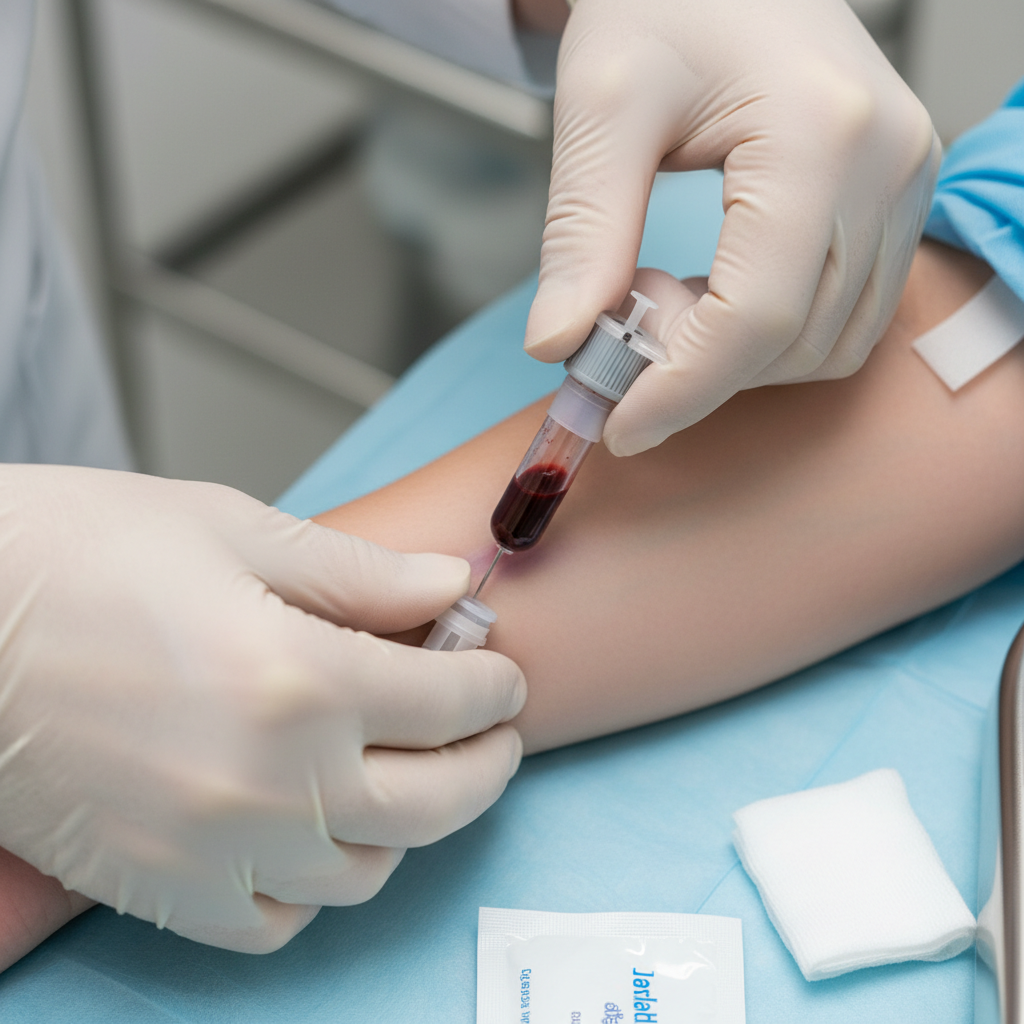
Many people fear blood work due to concerns about pain. However, the process is usually quick and causes minimal discomfort. Skilled technicians use fine needles and advanced techniques to ensure patient comfort.
If you're nervous, communicate with the technician. They can often offer tips to help you relax and make the experience more pleasant.

Myth 4: Blood Work Results are Always Immediate
While some blood test results are available quickly, others may take days or even weeks. The time frame depends on the complexity of the test and the laboratory's workload. Your healthcare provider will inform you when to expect the results.
Being patient and understanding the process can alleviate unnecessary stress and help you prepare for any follow-up discussions with your doctor.
What to Do While Waiting
While waiting for results, it's important to continue following any medical advice or treatments provided by your healthcare provider. Stay informed and ask questions if needed.

Conclusion: Embrace the Benefits of Blood Work
Debunking these myths helps highlight the crucial role blood work plays in maintaining health. By understanding the facts, you can approach your next blood test with confidence and clarity. Embrace the benefits that these tests offer in guiding your healthcare journey.