
How Phlebotomy Services in Lansing are Streamlining Healthcare


The Role of Phlebotomy in Modern Healthcare
In the evolving landscape of healthcare, phlebotomy services play a crucial role in ensuring efficient and accurate diagnostics. By focusing on the collection of blood samples, phlebotomists provide vital support to medical professionals, allowing for timely analysis and diagnosis. In Lansing, these services have become a cornerstone of streamlined healthcare.
Enhancing Patient Experience
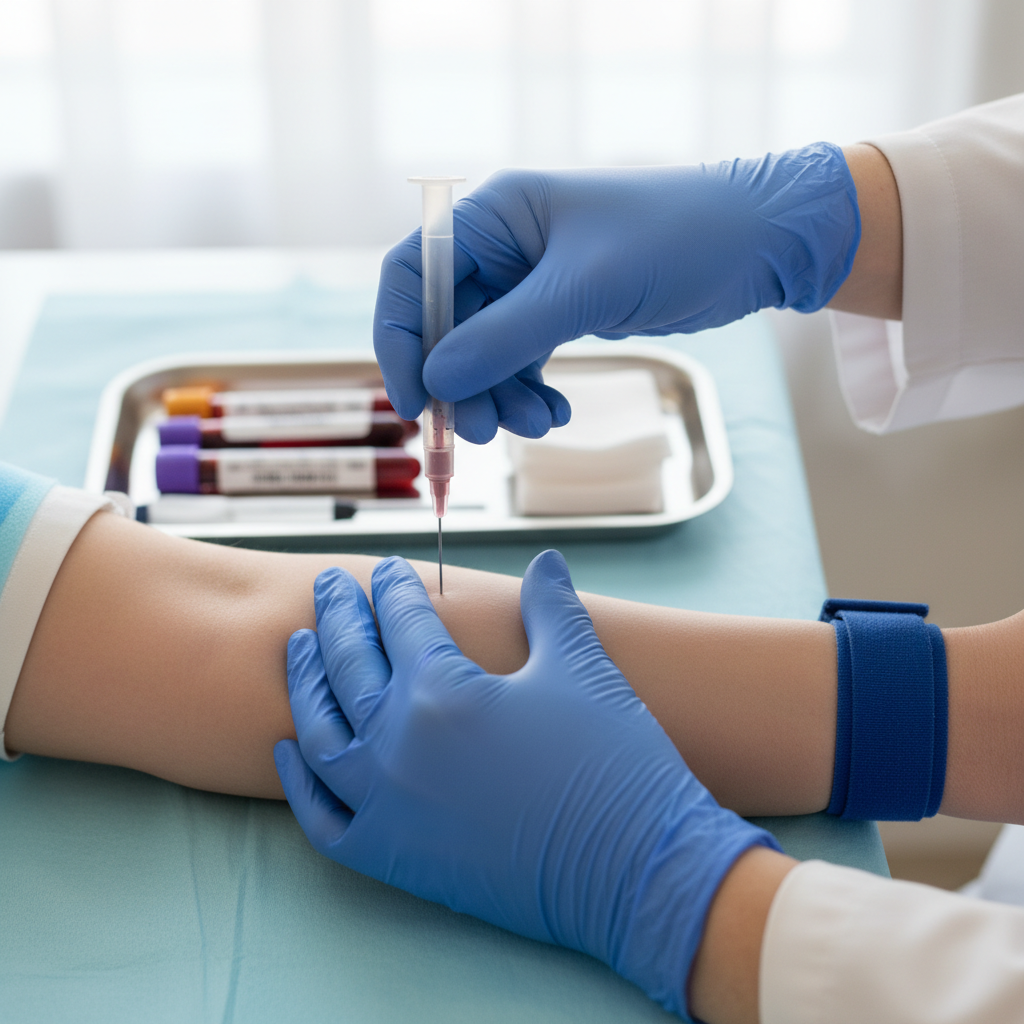
Phlebotomy services in Lansing prioritize patient comfort and care. Skilled professionals are trained to perform blood draws with minimal discomfort, ensuring a positive experience for patients. This focus on patient-centric care helps in reducing anxiety and increasing patient satisfaction, contributing to better overall healthcare outcomes.
Moreover, many facilities offer flexible scheduling and mobile phlebotomy services, which accommodate patients with mobility issues or those who require home-based care. This flexibility enhances accessibility and ensures that everyone receives the care they need without unnecessary stress.
Improving Diagnostic Efficiency
Timely and accurate diagnostics are crucial in healthcare, and phlebotomy services in Lansing are at the forefront of this process. By utilizing advanced techniques and technologies, phlebotomists ensure that blood samples are collected, stored, and transported under optimal conditions. This attention to detail minimizes errors and enhances the reliability of test results.

Phlebotomy services also streamline the workflow within medical facilities. By efficiently managing the collection and processing of samples, these services reduce the burden on other healthcare professionals, allowing them to focus on patient care.
Integration with Advanced Technologies
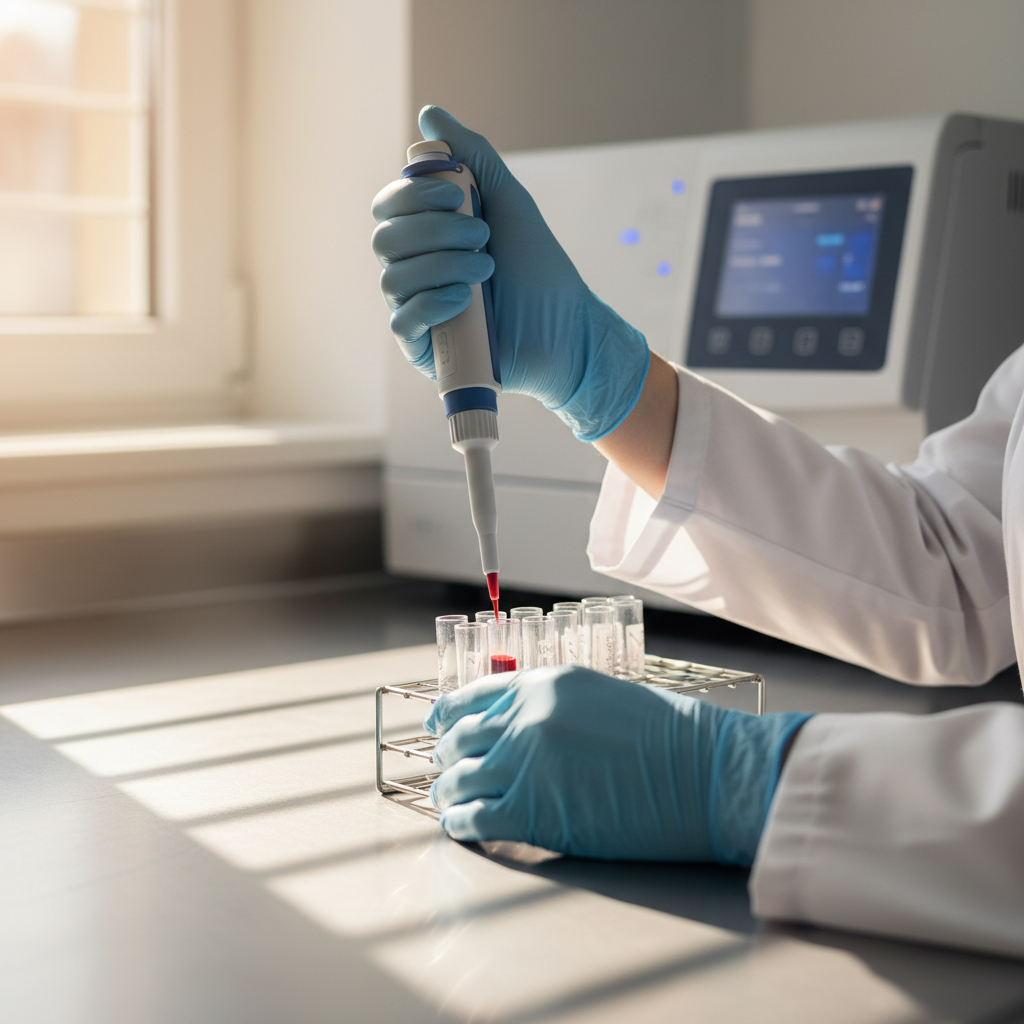
In Lansing, phlebotomy services are increasingly integrating advanced technologies to improve efficiency and accuracy. Automated systems and electronic health records (EHRs) facilitate seamless communication between phlebotomists and medical laboratories, ensuring that results are quickly and accurately delivered.
This integration not only speeds up the diagnostic process but also enhances the coordination of care, leading to more effective treatment plans. Patients benefit from faster diagnosis and treatment, improving health outcomes and reducing the duration of illnesses.
Conclusion
The impact of phlebotomy services in Lansing extends beyond the simple act of drawing blood. By enhancing patient experiences, improving diagnostic efficiency, and integrating advanced technologies, these services play a vital role in streamlining healthcare. As the industry continues to evolve, phlebotomy services will remain a key component in delivering high-quality, patient-centered care.