
How to Prepare for a Home Blood Draw: Tips for a Smooth Experience


Understanding Home Blood Draws
Home blood draws offer a convenient alternative to traditional lab visits, allowing you to have your blood drawn in the comfort of your home. This service is especially beneficial for those with mobility issues or busy schedules. However, preparing for a home blood draw is crucial to ensure a smooth experience.
Choosing the Right Time
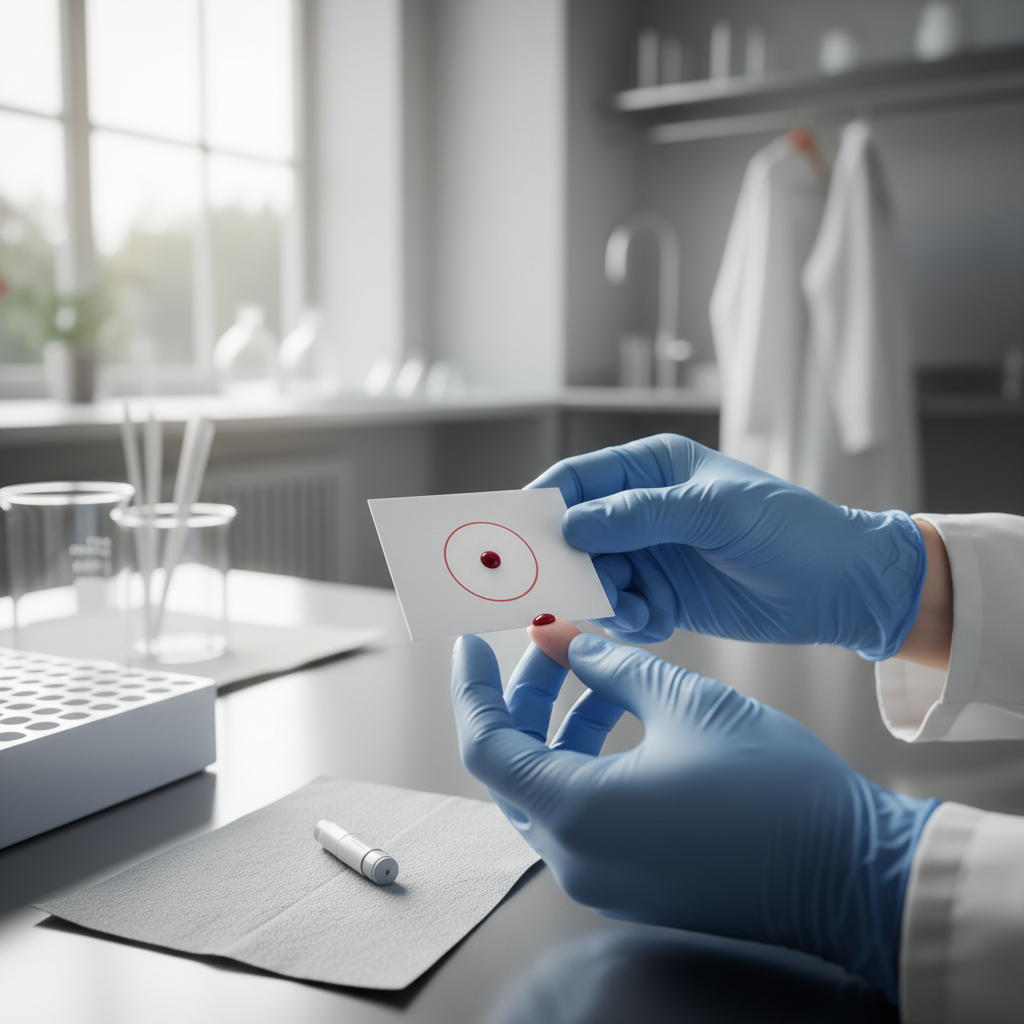
Selecting the appropriate time for your blood draw is essential. Aim for a time when you are well-rested and hydrated. Morning appointments are often recommended, as they can align with fasting requirements if needed. Make sure to avoid scheduling immediately after rigorous physical activity.
Hydration and Fasting
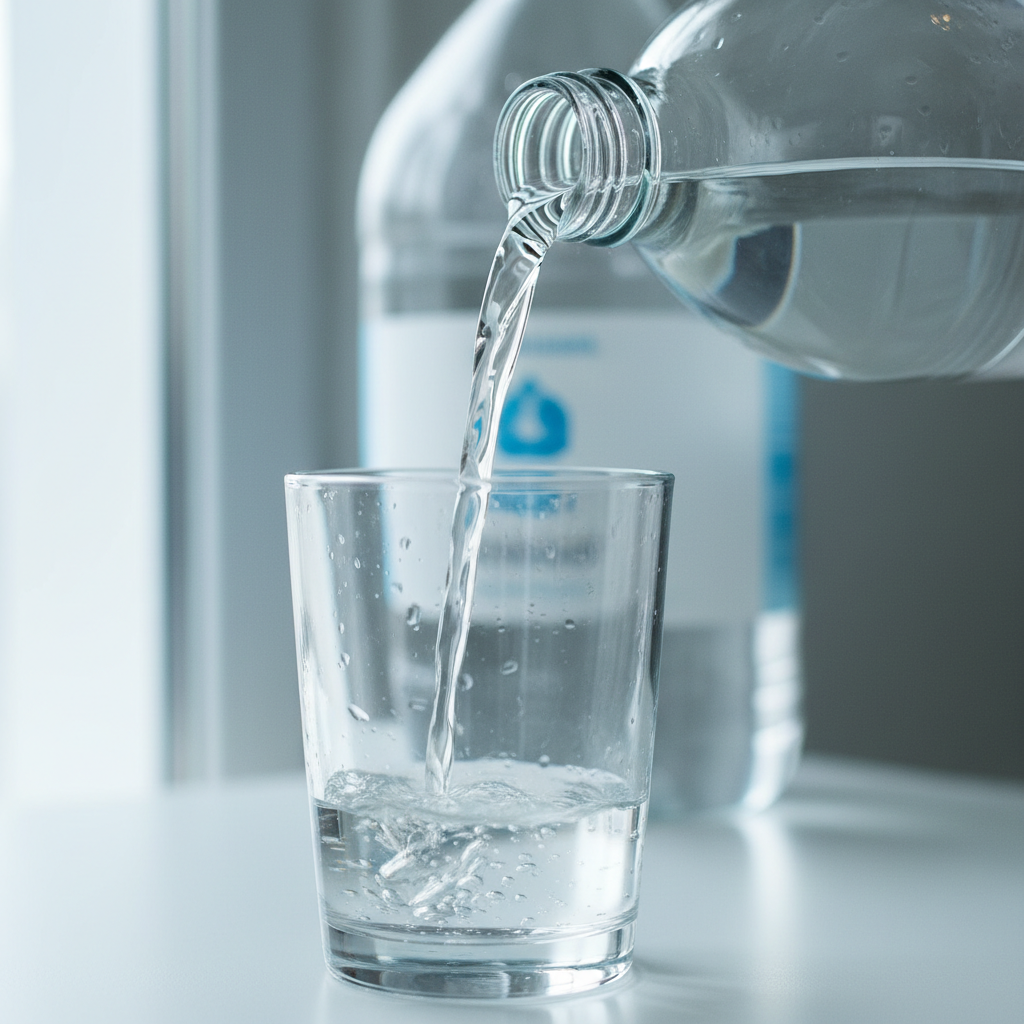
Staying hydrated is key to a successful blood draw. Drink plenty of water in the days leading up to your appointment. If fasting is required, ensure you adhere to the guidelines provided by your healthcare provider. Usually, fasting means no food or drink, except water, for 8-12 hours before the test.
Preparing Your Space
Creating a comfortable and clean environment for the blood draw can help you feel more at ease. Choose a well-lit area with a stable surface where the phlebotomist can set up their equipment. Ensure the space is free from clutter to facilitate easy movement.
Gathering Necessary Information
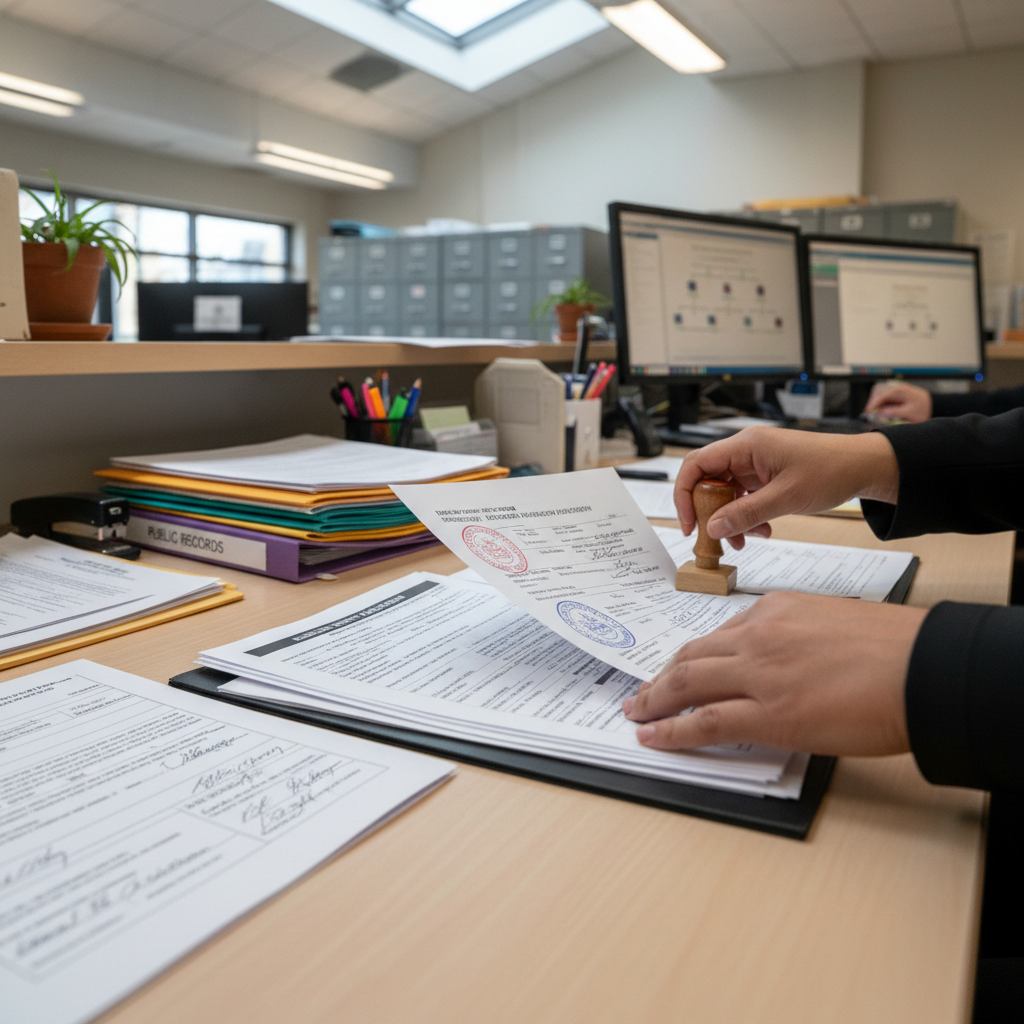
Have your identification and any necessary paperwork ready for the phlebotomist. This may include your insurance information and any forms provided by your doctor. Being organized can help expedite the process and reduce stress.
Communicating with the Phlebotomist
Effective communication with the phlebotomist is vital. Inform them of any past experiences with blood draws, including any difficulties or discomfort. Sharing this information can help them adjust their technique to suit your needs better.
Relaxation Techniques
Nervousness is common before a blood draw, but relaxation techniques can help. Deep breathing exercises or listening to calming music can ease anxiety. Distracting yourself with conversation can also be beneficial.

Post-Draw Care
After the blood draw, follow any instructions provided by the phlebotomist. This may involve applying pressure to the puncture site or keeping the bandage on for a specified period. Proper post-draw care is crucial to prevent bruising and ensure quick recovery.
By preparing adequately for your home blood draw, you can enhance your comfort and ensure a smooth experience. Follow these tips to make the process as stress-free as possible.