
Seasonal Guide: Why Timing Matters for Blood Work and Specimen Collection


The Importance of Timing in Blood Work
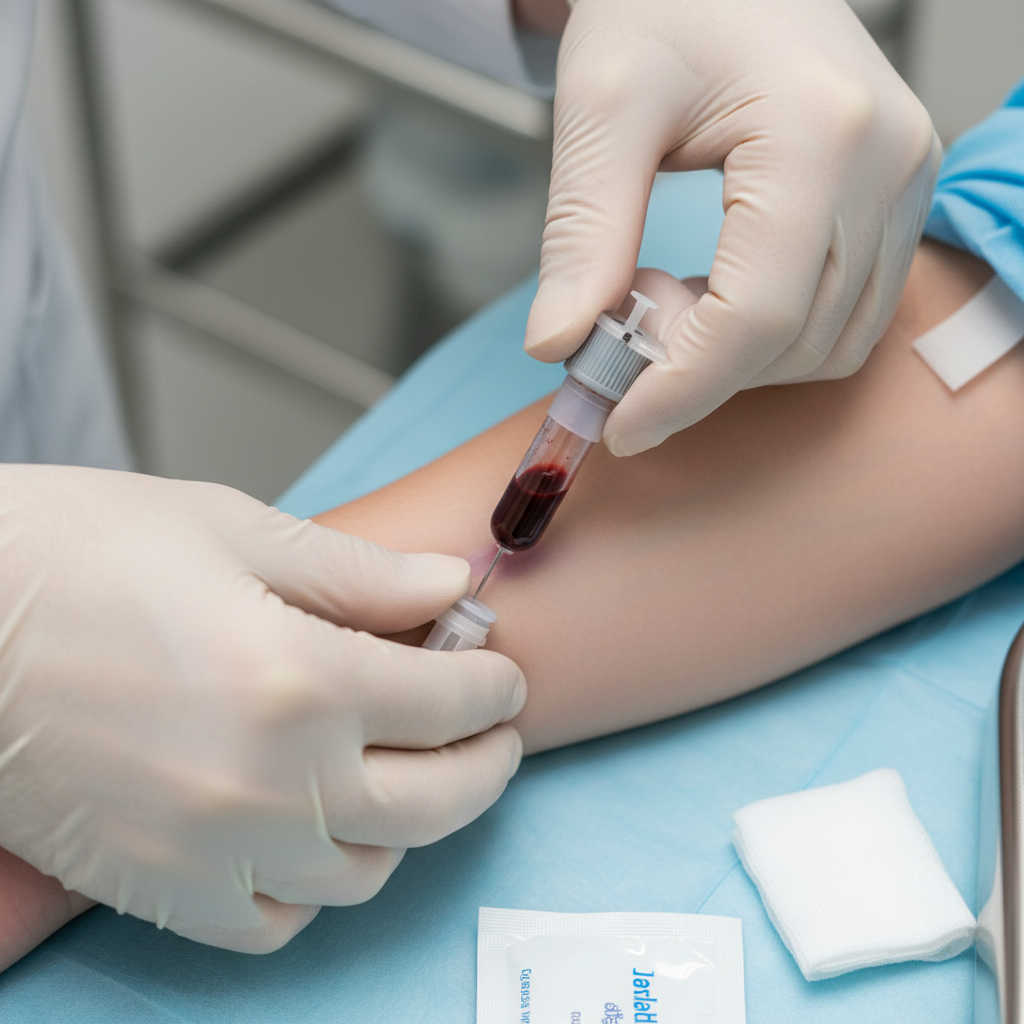
Understanding the best time to schedule blood work and specimen collection can greatly impact the accuracy and reliability of the results. This timing is not simply about convenience; it’s a crucial factor for health professionals to provide an accurate diagnosis. By aligning your tests with certain seasonal and daily biological rhythms, you can ensure more precise outcomes.
Seasonal Variations and Their Impact
Seasons can influence various physiological processes. For example, vitamin D levels are typically lower in winter due to reduced sunlight exposure, which can affect certain blood test results. Allergies and respiratory conditions may also fluctuate with the seasons, impacting inflammation markers. Understanding these variations helps healthcare providers interpret your results more effectively.
Moreover, certain conditions, such as seasonal affective disorder, are directly linked to specific times of the year. Testing during these periods can provide valuable insight into how seasonal changes affect your health.
Daily Biological Rhythms
Our bodies operate on circadian rhythms, which can influence hormone levels and other biological functions. For instance, cortisol, a stress hormone, typically peaks in the morning. Thus, testing for cortisol levels is often recommended early in the day for accurate results. Similarly, fasting glucose levels are best tested in the morning after an overnight fast.

Practical Tips for Scheduling Your Tests
When planning your blood work, consider the following tips:
- Consult your physician: They can advise you on the best time to schedule your tests based on your individual health needs.
- Consider fasting requirements: Some tests require fasting, so schedule these in the morning for convenience.
- Plan around your schedule: Choose a time when you can easily follow any pre-test instructions without stress.
Case Studies: Real-Life Applications
Consider a patient with seasonal allergies. Testing during peak allergy season can reveal elevated inflammation markers that might not appear during other times of the year. Similarly, a person experiencing fatigue might have their thyroid function tested during the winter, when symptoms are more pronounced.

Conclusion: Making Informed Decisions
Understanding the role of timing in blood work and specimen collection allows you to make informed decisions about your health. By working closely with healthcare providers and considering seasonal and daily variations, you can maximize the effectiveness of your tests.
Ultimately, timing your tests correctly can provide a clearer picture of your health, leading to better diagnosis and treatment plans. Remember, your health is a year-round commitment, and being proactive about the timing of your tests is a step towards better care.