
The Importance of Timely IV Replacements: A Comprehensive Guide


Understanding IV Therapy
Intravenous (IV) therapy is a critical aspect of modern healthcare, providing rapid and effective delivery of fluids and medications directly into the bloodstream. This method is essential for treating various conditions, from dehydration to complex medical treatments.
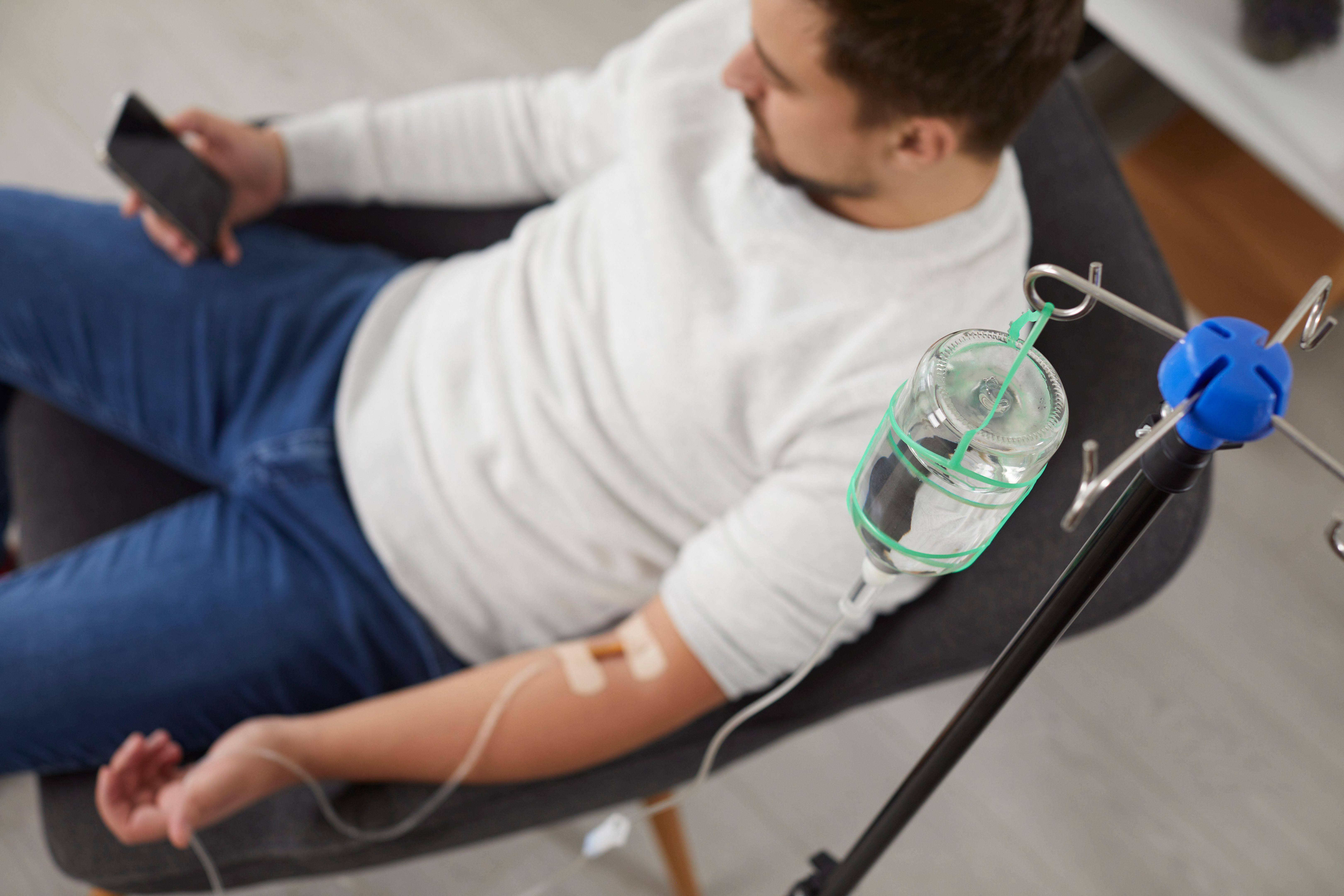
The timely replacement of IV lines and fluids ensures that patients receive the correct dosage and concentration of medication. It also helps in minimizing the risks associated with IV therapy, such as infections and complications.
Why Timely IV Replacement Matters
Replacing IV lines and fluids on time is crucial for several reasons. Firstly, it helps maintain the efficacy of the treatment. IV fluids can degrade over time, losing their potency and effectiveness. Regular replacements ensure that patients receive the intended therapeutic benefits.
Secondly, timely replacements reduce the risk of contamination and infection. IV lines can become a breeding ground for bacteria if they are not replaced regularly, leading to potentially serious infections in patients.

Preventing Complications
By adhering to a strict schedule for IV replacements, healthcare providers can prevent complications such as phlebitis, infiltration, and thrombosis. These conditions can arise from prolonged use of the same IV line and can cause significant discomfort and health risks for patients.
Best Practices for IV Replacement
Healthcare facilities should implement standardized protocols for IV replacement to ensure consistency and safety. These protocols typically include guidelines on the frequency of replacement based on the type of solution and the patient's condition.
- Regular monitoring of the IV site for signs of infection or complications.
- Using aseptic techniques during insertion and replacement.
- Documenting each replacement for accurate medical records.

The Role of Healthcare Professionals
Healthcare professionals play a vital role in ensuring timely IV replacements. Proper training and awareness are essential for nurses and medical staff to recognize the signs of IV complications early and act swiftly.
Continuous education and training programs can help staff stay updated on the latest guidelines and techniques, ensuring patient safety and improving outcomes.
Conclusion
Timely IV replacement is a fundamental practice in healthcare that significantly impacts patient safety and treatment efficacy. By following best practices and maintaining rigorous standards, healthcare providers can minimize risks and enhance the quality of care.
Ultimately, the importance of timely IV replacements cannot be overstated, as it is a cornerstone of effective and safe medical treatment.