
The Role of IV Insertions in Modern Medical Treatments


Intravenous (IV) insertions are a cornerstone of modern medical treatments, playing a critical role in patient care. These procedures allow healthcare professionals to deliver medications, fluids, and nutrients directly into a patient's bloodstream, ensuring swift and efficient treatment. As medical technology advances, the techniques and tools used for IV insertions continue to evolve, enhancing their safety and effectiveness.
The Basics of IV Insertions
IV insertions involve the introduction of a thin, flexible tube called a catheter into a vein. This process is typically performed by trained medical personnel and requires precision and care. The most common sites for IV insertions are the veins in the arms and hands, although other sites may be used depending on the patient's condition and requirements.
The primary purpose of IV therapy is to deliver substances that cannot be taken orally or would be less effective if administered through other routes. This includes situations where a patient is unable to swallow, requires rapid medication delivery, or needs continuous infusion of fluids or drugs.
Common Uses in Medical Treatments
IV insertions are employed in a wide range of medical scenarios. Some common uses include:
- Hydration: Administering fluids to patients who are dehydrated or unable to drink enough liquids.
- Medication Delivery: Providing drugs that need immediate action or cannot be absorbed through the digestive tract.
- Nutritional Support: Offering essential nutrients to patients who cannot eat normally.
In emergency situations, IV insertions are often the quickest way to stabilize a patient, delivering life-saving medications directly into the bloodstream.

Advancements in IV Technology
The field of IV therapy has seen significant advancements over the years. Modern IV catheters are designed to minimize discomfort and reduce the risk of complications such as infections or phlebitis. Additionally, new techniques and tools have been developed to improve the accuracy and success rate of insertions.
One innovation is the use of ultrasound guidance during IV insertions. This technology allows healthcare providers to visualize veins beneath the skin, making it easier to locate suitable sites for insertion and reducing the likelihood of multiple attempts.
Training and Skill Development
Proper training and skill development are crucial for successful IV insertions. Medical professionals undergo rigorous training to ensure they can perform these procedures safely and efficiently. Continued education and practice are essential, as new techniques and technologies emerge in the field.
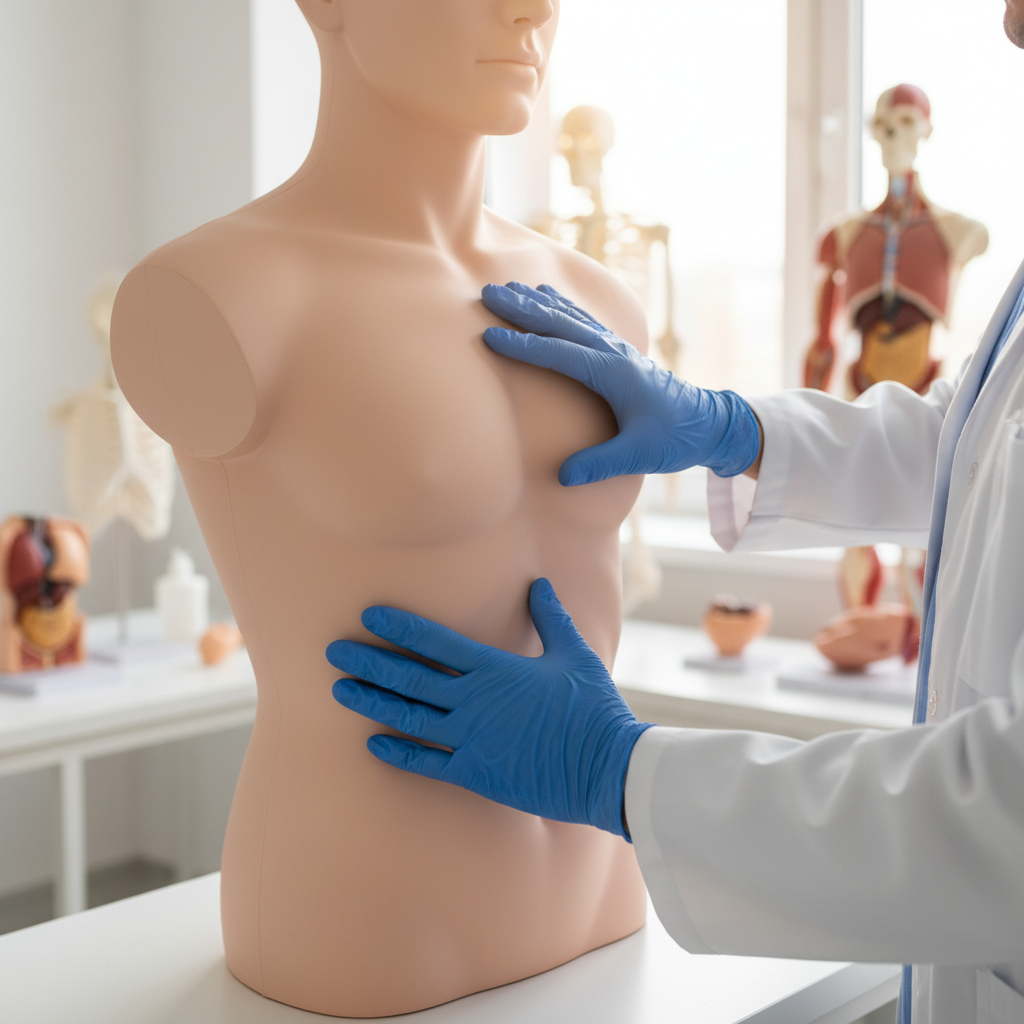
Simulation-based training is becoming increasingly popular, providing healthcare providers with realistic practice scenarios. This approach helps build confidence and competence, leading to better patient outcomes.
The Future of IV Therapy
Looking forward, the future of IV therapy holds even more promise. Research and development are focused on creating catheters that are more comfortable and less prone to complications. Additionally, smart infusion systems are being developed to monitor and adjust the flow of medications and fluids automatically, enhancing precision and safety.
As technology continues to evolve, IV insertions will likely become even more efficient and patient-friendly, further enhancing their role in modern medical treatments. The ongoing advancements in this field underscore the importance of IV therapy as an integral part of healthcare, ensuring patients receive the best possible care swiftly and effectively.