
Top Tips for Preparing for Facility Blood Draws: What to Expect


Understanding the Blood Draw Process
Preparing for a blood draw at a medical facility can be a straightforward experience if you know what to expect. Blood draws are routine procedures used for diagnostic purposes, and they provide crucial information about your health. While the idea of a needle might be daunting, knowing the process can alleviate anxiety.
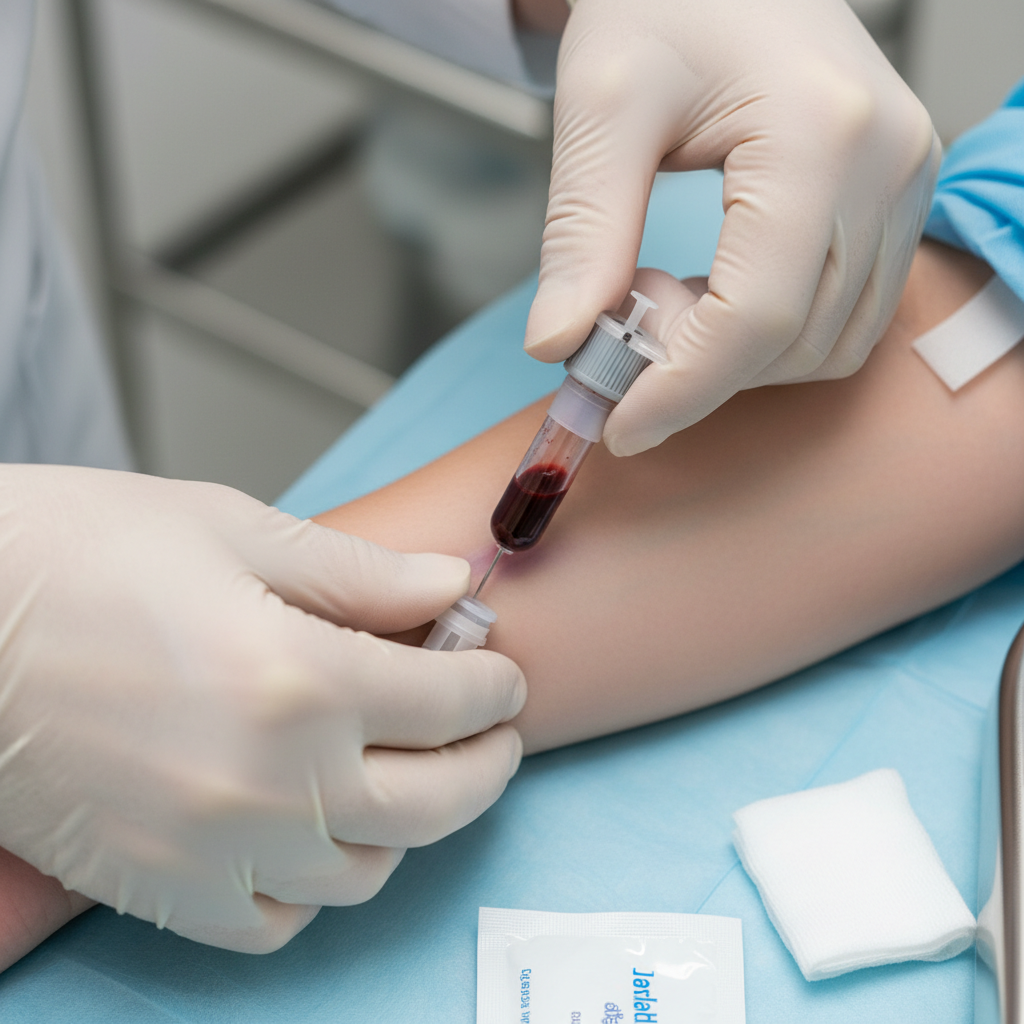
Typically, a healthcare professional will use a needle to draw blood from a vein, most often in your arm. The entire process is generally quick, taking only a few minutes. Understanding these steps can make your experience more comfortable and stress-free.
Before Your Appointment
Fasting Requirements
Depending on the type of blood test, you may need to fast for a certain period before your appointment. Some tests require fasting for 8-12 hours. It's important to follow these instructions, as eating can affect the results. Consult with your healthcare provider if you're unsure about fasting requirements.
Wear Comfortable Clothing
It's advisable to wear loose-fitting clothing on the day of your blood draw. This ensures easy access to your arm and makes the process smoother. Short sleeves or sleeves that can be easily rolled up are ideal.

During the Procedure
Stay Relaxed
Keeping calm during the procedure can make a significant difference. Take deep breaths and try to relax your muscles. Tensing up can make the process more uncomfortable, so it's beneficial to stay as relaxed as possible.
Communicate with the Phlebotomist
It's important to communicate with the phlebotomist or healthcare professional conducting the blood draw. If you have any concerns or a history of fainting during blood draws, let them know. They can take steps to ensure your comfort and safety.

After the Blood Draw
Apply Pressure and Bandage
Once the blood draw is complete, you will need to apply pressure to the site to prevent bleeding. A small bandage will be placed over the puncture site. Leave the bandage on for a few hours to allow the area to heal properly.
Hydrate and Rest
It's a good idea to drink plenty of fluids after your blood draw. This helps replenish any fluids lost and aids in recovery. Taking it easy for a few minutes after the procedure can also help you regain your composure.
- Drink water or a light juice.
- Avoid strenuous activities immediately after.
- Rest if you feel lightheaded.

Follow-Up and Results
After your blood draw, your samples will be sent to a lab for analysis. Your healthcare provider will discuss the results with you once they are available. It's essential to follow up on your results and understand what they mean for your health.
Getting a blood draw is a routine and important part of maintaining your health. By preparing properly and understanding what to expect, you can ensure a smooth and stress-free experience.