
Top Tips for Preparing for Your Facility Blood Draw


Understanding the Importance of Blood Draws
Blood draws are a routine procedure in many healthcare settings, providing essential information about your health. Whether it's for a routine check-up or a specific diagnostic test, being well-prepared can make the process smoother and less stressful. Here are some top tips to help you prepare effectively.
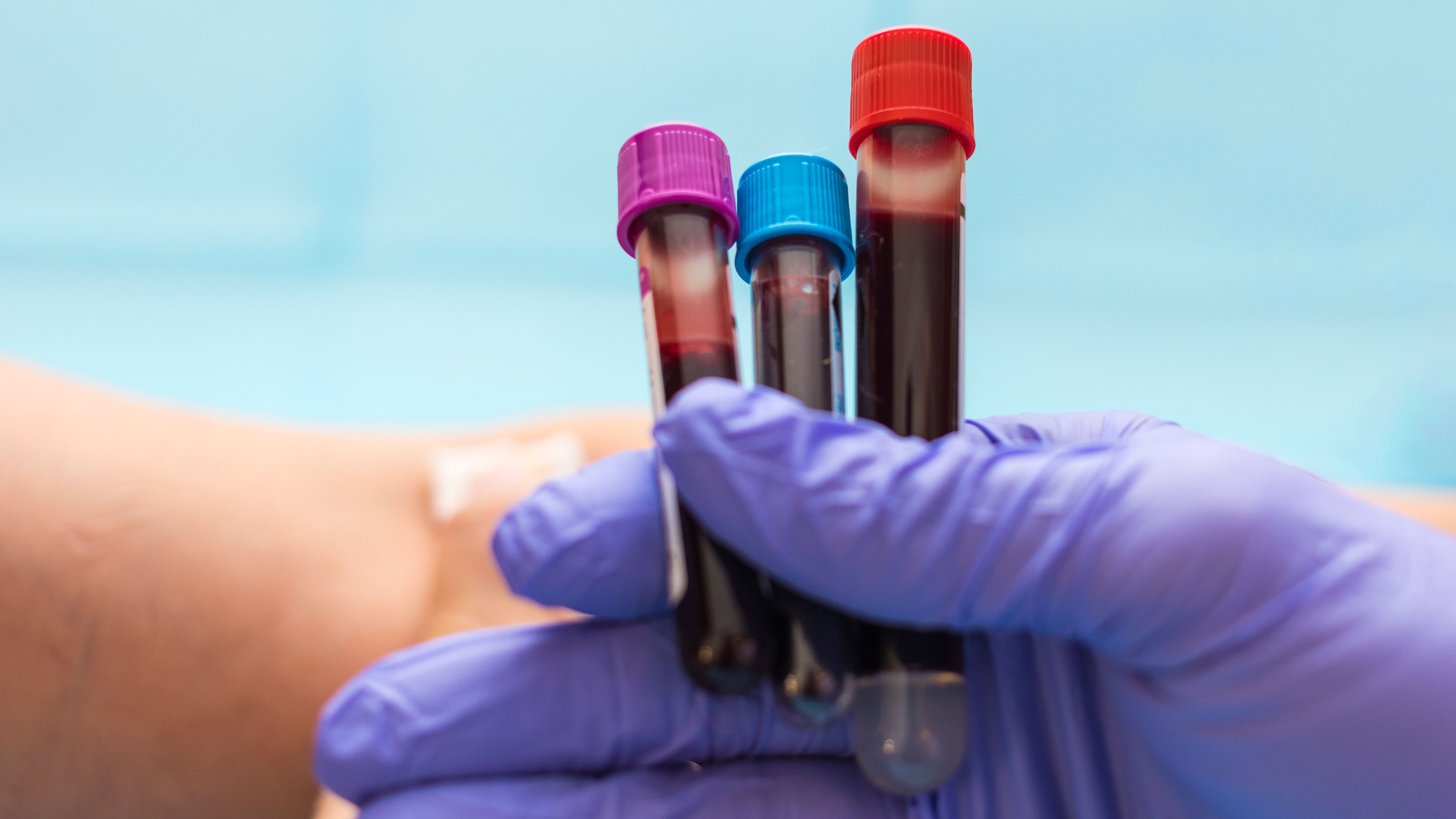
Stay Hydrated
One of the simplest yet most effective ways to prepare for a blood draw is to stay hydrated. Drinking plenty of water before your appointment can make your veins more accessible, facilitating an easier draw. Aim to drink at least 8-10 glasses of water the day before and the morning of your appointment.
Understand Fasting Requirements
Some blood tests require fasting. It's essential to know whether your test requires you to avoid food and drink, except water, for a specific period before the draw. Usually, fasting is required for 8-12 hours. Check with your healthcare provider to ensure you follow the correct protocol.

What to Wear
Choosing the right clothing can make the process more comfortable. Wear a short-sleeved shirt or a shirt with sleeves that can easily be rolled up. This allows easy access to your veins, making the procedure quicker and more efficient.
Relaxation Techniques
Feeling anxious about a blood draw is common. Practicing relaxation techniques such as deep breathing, visualization, or listening to calming music can help ease your nerves. Arriving a few minutes early to your appointment can also give you some time to relax and mentally prepare.

Communicate with Your Healthcare Provider
It's important to communicate any concerns or previous experiences you've had with blood draws to your healthcare provider. If you've had difficulty in the past, let them know. They may use a smaller needle or suggest other ways to make the process easier.
After the Blood Draw
Once the blood draw is complete, apply pressure to the site to prevent bruising, and keep the bandage on for at least a few hours. If you feel lightheaded, sit down and rest until you feel better. Drinking water and having a light snack can also help you recover more quickly.

Final Thoughts
Preparing for a blood draw doesn't have to be daunting. By staying informed and following these tips, you can make the experience smoother and more comfortable. Remember, your healthcare team is there to support you, so don't hesitate to ask questions or express any concerns you may have.